Film Archive

Jahr

Land (Film Archive)

German Competition Documentary Film 2023
Filmstill The Wind Is Taking Them
The Wind Is Taking Them
Ann Carolin Renninger
The big bang, tardigrades, humanity as a dying breed: A child researcher on a farm by the Baltic Sea has some astonishing thoughts about these things – and his curiosity about the present is infectious.

Filmstill The Wind Is Taking Them

The Wind Is Taking Them

Der Wind nimmt die mit
Ann Carolin Renninger
German Competition Documentary Film 2023
Documentary Film
Germany
2023
25 minutes
German
Subtitles: 
English

It is a stroke of luck when a film manages to simply observe the flow of life and almost casually show us the miracles found in life’s corners. Ann Carolin Renninger approaches people and things with great serenity and a palpable joy of searching for and finding images.

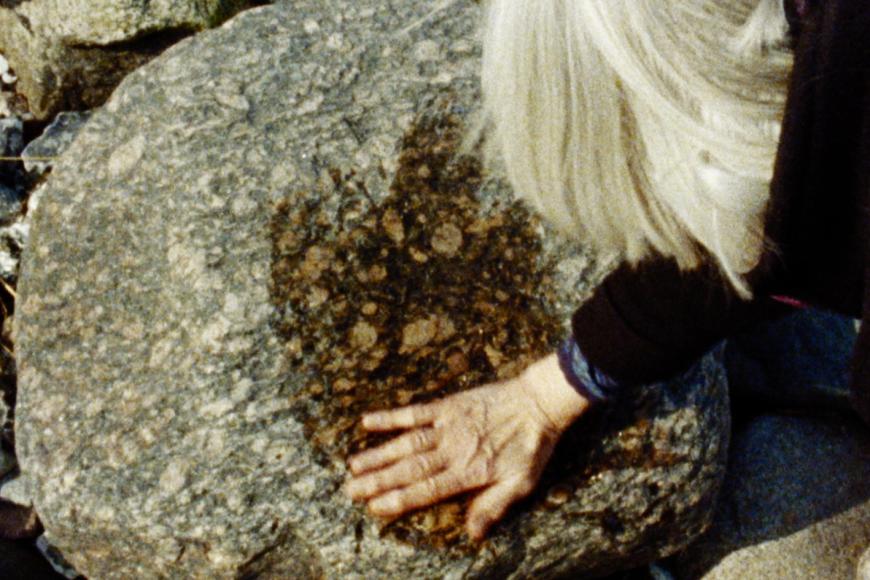
Rovin lives on a remote farm on the Baltic Sea and explores his surroundings with insatiable curiosity. He is interested in the universe, planets, unknown creatures – and in tardigrades, those tiny multicellular organisms that look like dust bags on legs and are real survival artists. Quite unlike humans, as Rovin points out, because the latter are sure to die out one day. He sees this as a logical fact, not a threat. And when you open yourself up to the grainy, earthy images and the calm narrative, you eventually stop wondering, too, why that should be a problem. After all, as long as the wind blows through the trees and scatters the tardigrades, everything is in good order. In addition to the captivatingly alert boy, Renninger meets Marie, who knows everything about rocks, and Christopher, who decorates a place with these rocks. They are all on a quest and every day find a piece of what one cannot hold onto: the present.

Luc-Carolin Ziemann

Credits DOK Leipzig Logo

Director
Ann Carolin Renninger
Cinematographer
Ann Carolin Renninger, René Frölke
Editor
Ann Carolin Renninger
Producer
Ann Carolin Renninger
-
Zane Zlemesa, Miro Denck
Filmstill The Woman Who Poked the Leopard

The Woman Who Poked the Leopard

The Woman Who Poked the Leopard
Patience Nitumwesiga
German Competition Documentary Film 2025
Documentary Film
Uganda,
South Africa,
Germany,
USA
2025
107 minutes
English,
Luganda
Subtitles: 
English

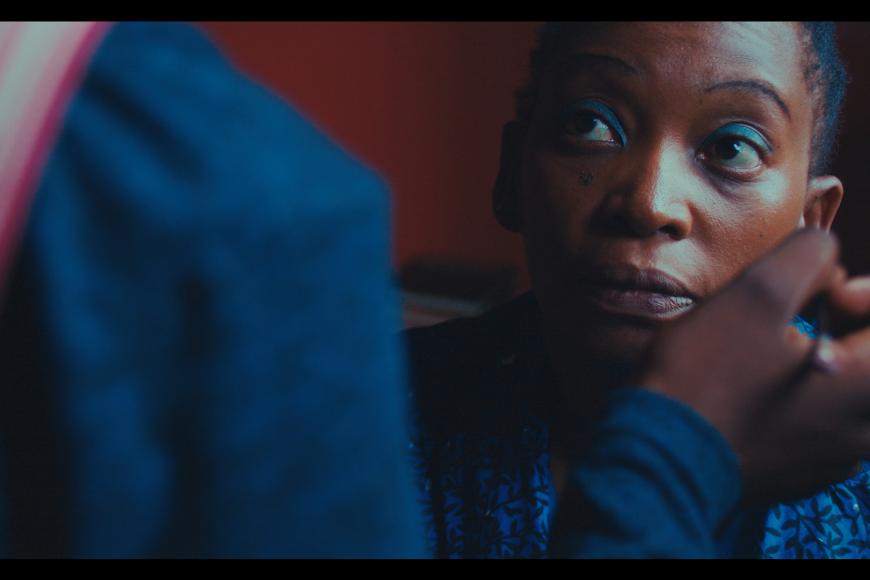
When Stella Nyanzi enters a room, action is guaranteed. The Ugandan feminist, gender researcher, anthropologist and poet does not mince her words in her fight against state oppression. She went to prison in 2017 for a vulgar poem in which she ridiculed head of state Yoweri Museveni, who has been in office for almost 40 years. After she was released, Nyanzi ran for Parliament without the necessary funds for a campaign, printing and distributing posters and flyers in the slums of Kampala with her children. Her daughter did her mother’s make-up and hair for public appearances. Sometimes her almost adult children longed for more time for themselves. The family repeatedly faced police violence and finally emigrated to Germany.
Using a mobile handheld camera, the film absorbs its protagonist’s power, its rhythm matching her angry lyrics. The result is the portrait of a woman who has made radicalism and provocation her way of life. We get to know an activist who permanently pushes herself and the people around her to the limits. Still, it is hard not to get infected by Stella Nyanzi’s energy.

Anke Leweke

Credits DOK Leipzig Logo

Director
Patience Nitumwesiga
Cinematographer
Racheal Mambo, Phil Wilmot
Editor
Kristen van Schie
Producer
Rosie Motene, Phil Wilmot, Patience Nitumwesiga
Co-Producer
Natalia Imaz, Menzi Mhlongo
Sound
Penelope Najuna, Carla Walsh
Sound Design
Sean Peevers
Score
Sylvia Babirye
Key Collaborator
Shua Wilmot
Nominated for: DEFA Sponsoring Prize, VER.DI Prize for Solidarity, Humanity and Fairness
Winner of: DEFA Sponsoring Prize, VER.DI Prize for Solidarity, Humanity and Fairness
German Competition Documentary Film 2025
Filmstill Smoke over Schwarze Pumpe
White Smoke over Schwarze Pumpe
Martin Gressmann
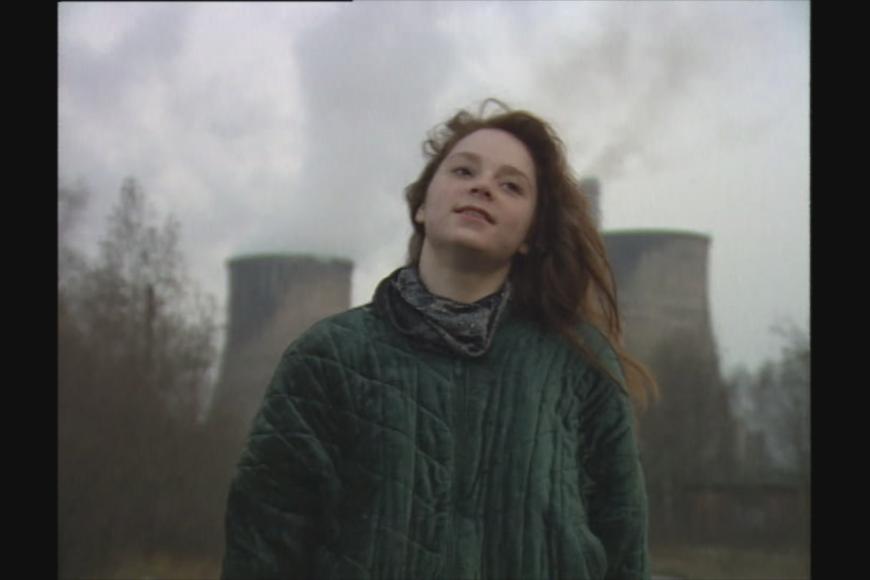
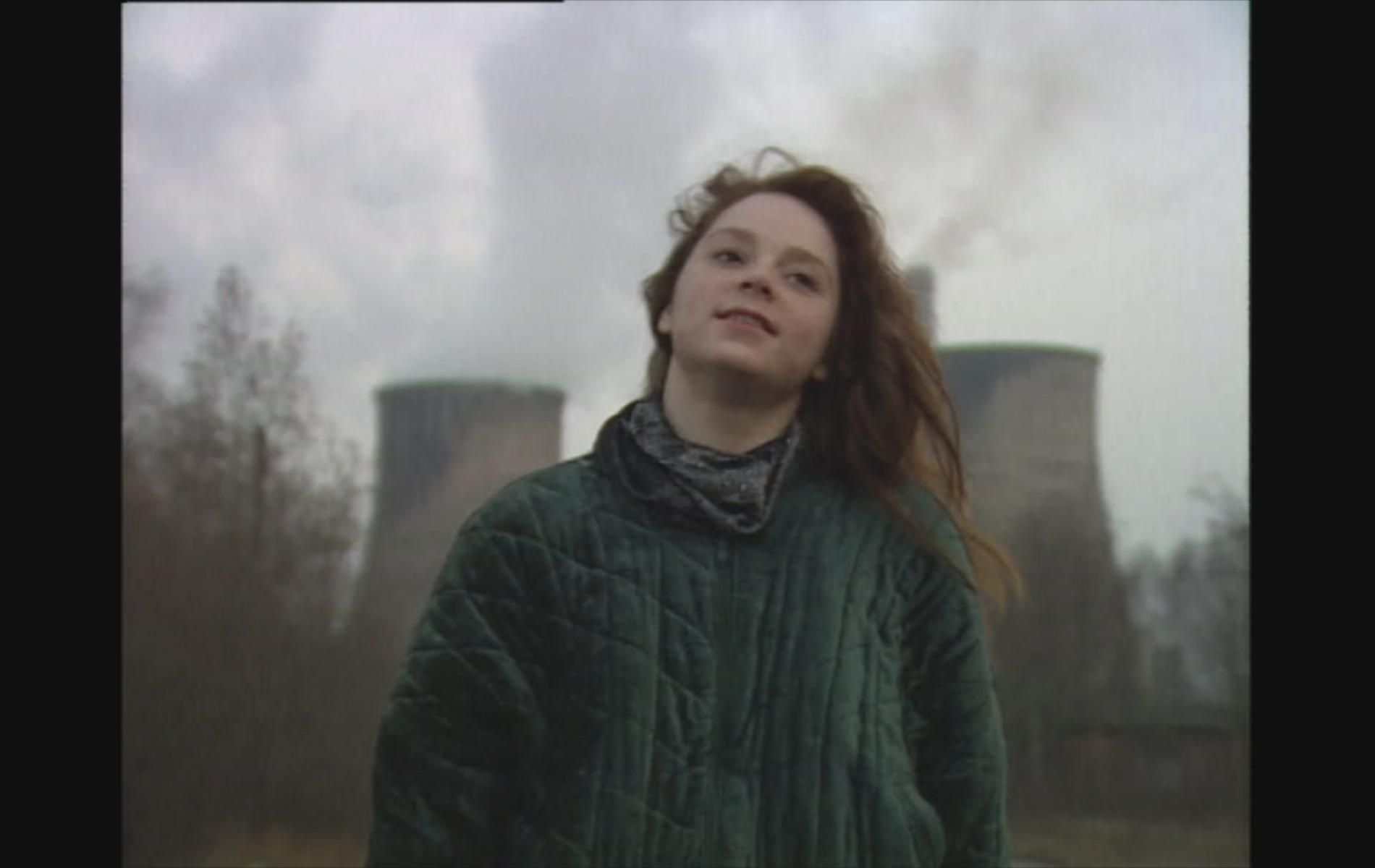
In 1991, the Schwarze Pumpe energy centre in Lusatia is phased out. Tens of thousands lose their jobs, hoping for better times. Today, the dirt and feelings of the past keep coming up.
Filmstill Smoke over Schwarze Pumpe

White Smoke over Schwarze Pumpe

Weißer Rauch über Schwarze Pumpe
Martin Gressmann
German Competition Documentary Film 2025
Documentary Film
Germany
2025
89 minutes
German
Subtitles: 
English

The old shots smell like phenol and brown coal dust. In the spring of 1991, two documentary filmmakers travelled through the former energy triangle of the GDR, centred around the towns of Spremberg, Hoyerswerda and Schwarze Pumpe. In the midst of despair and resignation, they demanded analyses. Those who faced layoffs answered: “When there’s no work, there’s no work.” Or more simply: “Bang, out, gone, that’s it.” Thirty years later, Martin Gressmann and the documentarists from 1991 are not done yet with the fractures and open wounds of the industry liquidations right after reunification.
The comparison between the history – full of murky air and people who hide from the camera – and the apparently appeased present does not lend itself to make-overs; the landscapes that followed brown coal mining are not pretty yet, the river Spree is only halfway cleaned-up, the power plant is still one of the main CO2 emitters in Europe. You often have to look twice to understand that an important leap in time was made in the images. The dirt and the energy of the past keep coming back, and Lusatia continues to “serve and work” in the “subconscious of the distant capital”. Idiosyncratic texts and bold documentary manoeuvres generate an ambivalent mix of surfaces and deep strata, erosion and repair of an industrial landscape.

Jan Künemund

Credits DOK Leipzig Logo

Director
Martin Gressmann
Cinematographer
Peter Badel, Dieter Chill, Martin Gressmann, Anja Simon
Editor
Stefan Oliveira-Pita
Producer
Peter Badel, Martin Gressmann
Sound
Christine Wiegand
Sound Design
Rainer Gerlach
Score
Matthias Rauhe
Nominated for: Gedanken Aufschluss Prize, VER.DI Prize for Solidarity, Humanity and Fairness