Better Go Mad in the Wild
Miro Remo
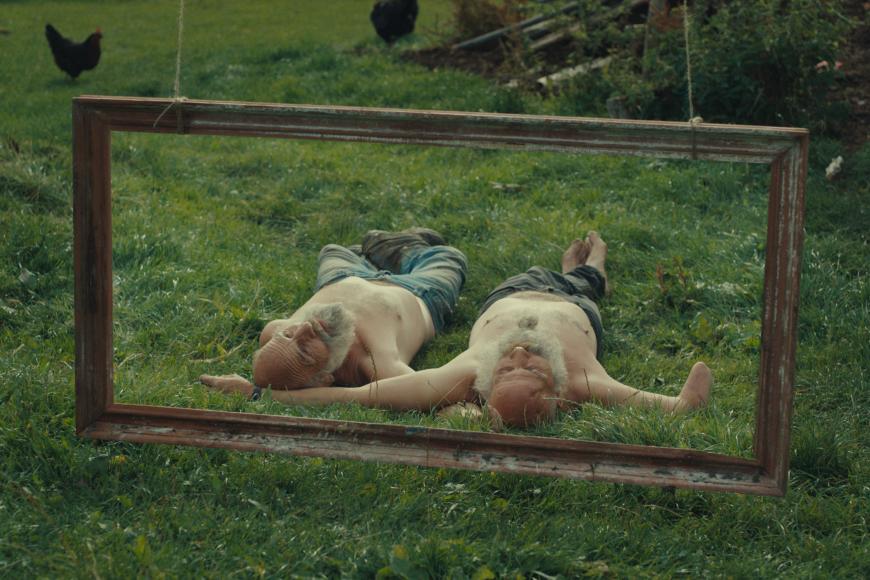
Brothers in the Bohemian Forest: Franta and Ondra, twins with impressive full beards, in their early 60s, live in quarrelsome harmony on a remote farm in a rugged landscape.


Two quarrelsome brothers with impressively full beards live on a remote farm in the Bohemian Forest, surrounded by a rugged landscape: At one point, Franta and Ondra themselves become aware that this setting has an almost Old Testament feel to it, but cannot agree on who might be Cain and who Abel in this scenario. They rarely agree in any case: Daily squabbles are the big constant in the life of the identical but otherwise dissimilar twins. When Franta embarks on another breakneck adventure, Ondra wants nothing more than to smoke in peace. Nonetheless, they occasionally exchange hugs and nose kisses. In their early 60s, Franta and Ondra spend their time working in the fields, playing jokes with the animals, or competing in left-hand arm-wrestling duels. The facts that Franta lost his lower right arm in an accident or that the twins took part in the 1989 revolution in Czechoslovakia belong to an apparently distant past. With a domestic cow as narrator, the leitmotif of a huge mirror, and a classical soundtrack, Miro Remo finds a wonderful form for the portrait of these idiosyncratic people.


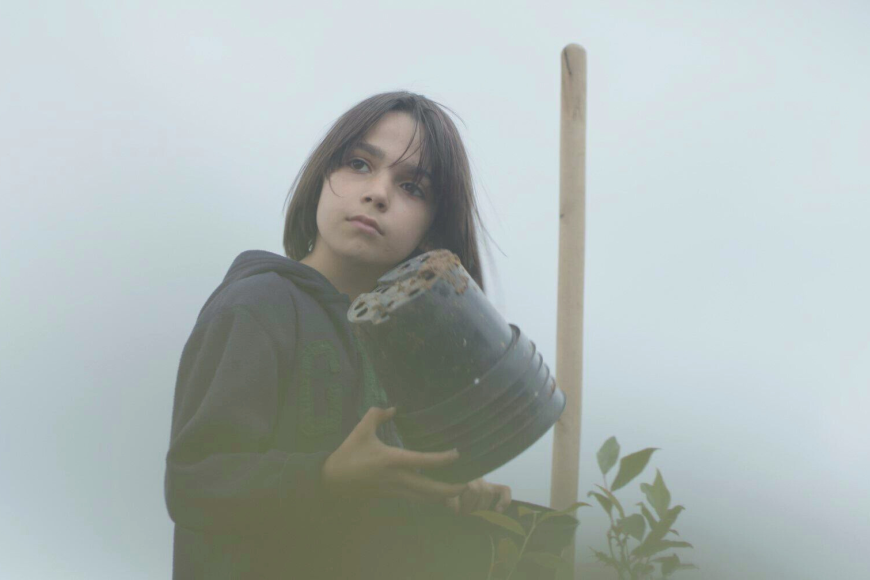
In the north of Georgia, twelve kilometres from the Russian-influenced region of Abkhazia, a family are realising their dream. Under the optimistic motto “Plant the Future,” the Georgian government has launched a funding programme that enabled the people in this state which has been shaken by wars and crises for years to make a fresh start on their own farmland. With this support Soso, a retired engineer, took the big step in 2021 with his wife and two young sons and began growing blueberries.
Director Elene Mikaberidze and a dynamic camera follow the bold endeavour of the greenhorn farmers as they settle into their unfamiliar new life month by month. In the evenings, they pass the time with games and conversations, while the television is on in the background: images of a Ukraine under attack, news of the escalation in the Middle East remind the adults of the Russo-Georgian War sixteen years ago. Soso, the head of the family, contemplates his homeland in the midst of an escalating global situation. What dreams will still find a place there? Mother Nino is worried about her children’s future. She wants them to have the freedom to go their own way, to travel abroad and leave Georgia behind. Whether these ideas correspond with Soso’s remains to be seen.
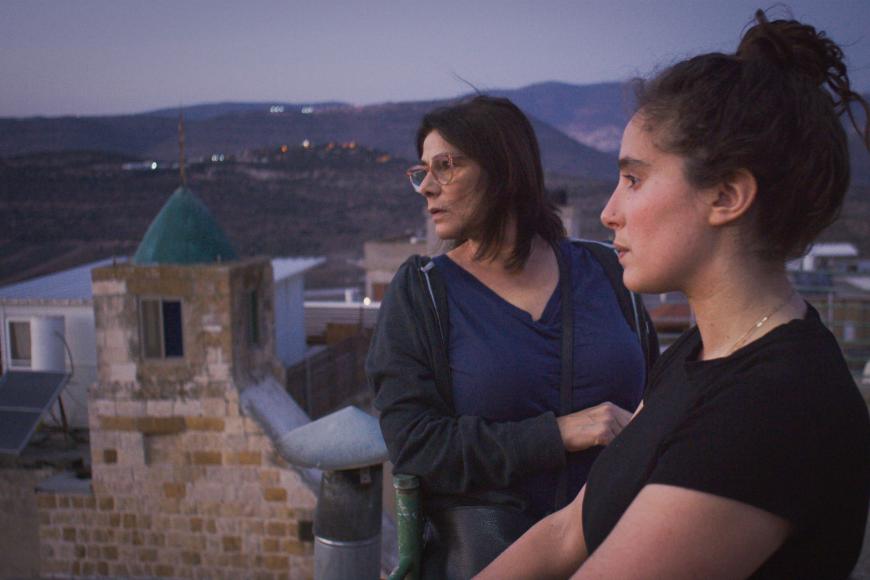
The actor Hiam Abbass, who lives in France, is one of the greatest movie stars from the Middle East. She played leading roles in the award-winning films of Israeli director Eran Riklis, acted in Steven Spielberg’s “Munich” and recently in the U.S. hit series “Succession.” She served on the juries of the big Festivals in Cannes and Berlin, presented her own directing debut in Venice. But she is also a mother, daughter and sister in a large Palestinian family full of resourceful women. In this real role she steps in front of the camera in her daughter Lina Soualem’s work and travels back to her hometown of Deir Hanna in northern Israel – an Arab village in the Jewish state.
“Don’t open the gate to past sorrows,” the director quotes a kind of family dogma. It refers, among other things, to the family’s traumatic expulsion from Tiberias, the city on the Sea of Galilee, in the 1948 Palestine War. But with her confrontation of the family history, Soualem also opens gates to past joys and allegedly discarded identities. Between home videos, historical archive footage, photos and letters, Abbass is a touching and approachable screen presence as she returns to her roots. The long shadow of her origins also falls on a woman of the world.