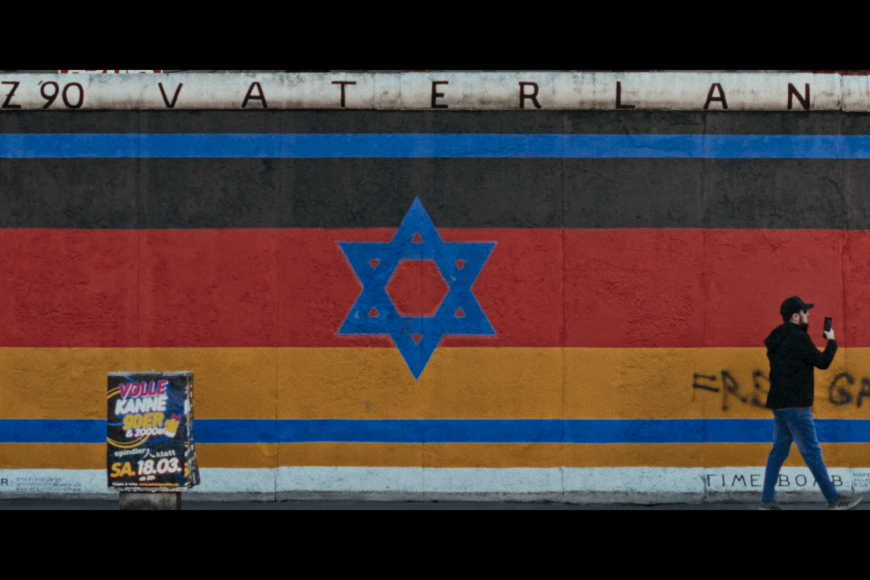
A Jewish Problem
Ron Rothschild
Key events of the Middle East conflict have left their traces in this filmmaker’s family history. When he arrives in Berlin, he learns to distrust his own perceptions.


In the opening image, there is a grid between the camera and the world, conveying the field of vision of an Israeli soldier deployed as a cameraman in the Israeli-occupied territories between 2007 and 2010. The filmmaker’s self-critical comments today ask what he could and could not see then. Leaving the country and arriving in Germany triggered a learning process that he traces here in a multi-layered and very personal research: “I learned I can’t trust myself to do the right thing.”
Complex camera pans show current German street scenes that bundle up signs of a precarious coexistence, while family and friends drift apart over the so-called Middle East Conflict. Ron Rothschild now lives in a country that his grandmother had to flee at the age of seven to escape from the Nazis. Even in old age, she could still recite Schiller’s “Song of the Bell” from memory. Once arrived in Haifa, she became a soldier and part of the establishment of the state of Israel and the expulsion of the Palestinians. The yearning to belong creates ambivalences and open questions in the family’s history, which the grandson confronts without resolving the ever-new distances emerging between the camera eye and the world.


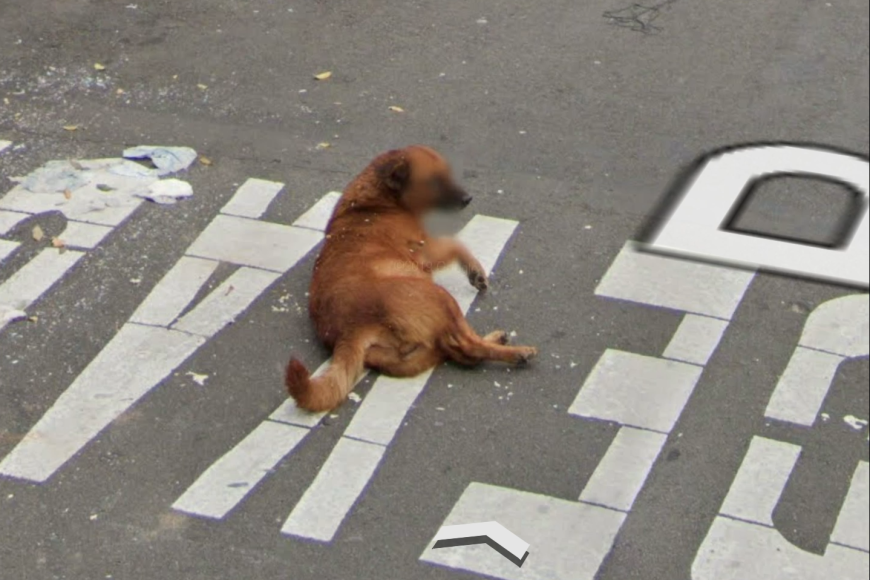
We have probably all thought about the influence of digital logic and algorithms on our perception of the world at some point. This equally humorous and profound short film takes the interactive online tour service “Google Street View” as a starting point for an investigation of where the reality mapped by fifteen automatic cameras and the one perceived by human senses drift apart – and what the consequences are.
The “Accidental Animals” that happened to come across the lenses of Google cars defy the claim that every area, however remote, is reproduced as realistically as possible. Instead, their appearance in the frame produces unintentionally funny situations. Like glitches in the matrix, they remind us that we are watching only a patchy series of snapshots. Before we “drop” into a random place on the map, before we arrive to look around, the animals are already there. The fact that Google’s technology blurs many of those bird, dog and pig faces – like ours – to protect personality rights furnishes the directors with the perfect excuse for a provocative question: How is it that in this respect the algorithm acts more ethically than the humans who programmed it?
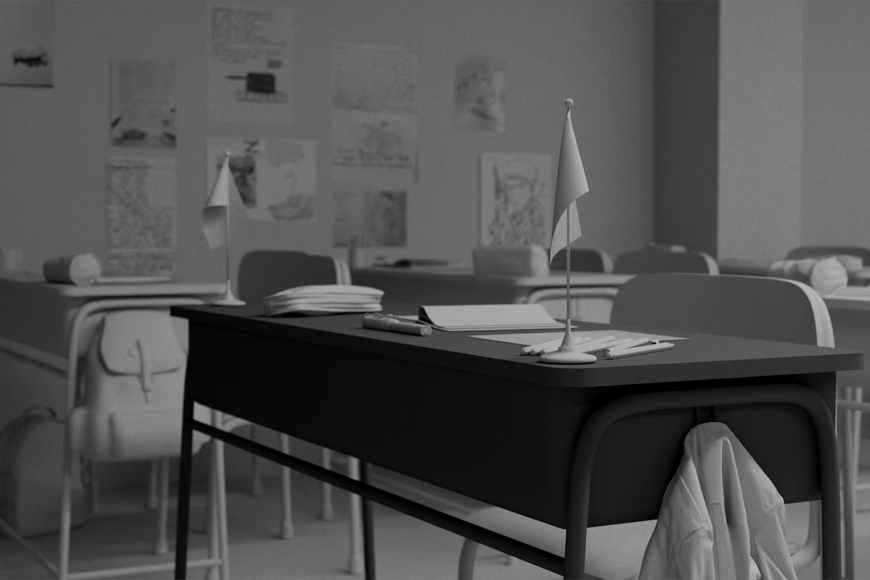
In her documentary experiment, Yulia Lokshina addresses the issue of how the institution of school is used by the Russian state to justify its aggressive expansionist actions, either by exterior military violence or by interior ideological violence and persecution of dissidents. The story revolves around a young Russian teacher who speaks out against the war in class shortly after the invasion of Ukraine. A pupil secretly records her statement and denounces her. Soon afterwards, the young woman finds herself the focus of official investigations. She flees to Germany and begins to work as a teacher again. Together with her Berlin class, she reconstructs her own case to understand why this betrayal happened and what consequences censorship and persecution have for the individual, but also for communities.
What is the connection between school and politics, what should it be? How does political oppression feel, and what forms of resistance are possible? These are the questions the children in Berlin-Moabit grapple with. In addition to observations of the class, the film uses archive material, found footage, documentary scenes, and 3D animations to make the situation in Russia, characterised by fear and surveillance, tangible and comprehensible here as well.
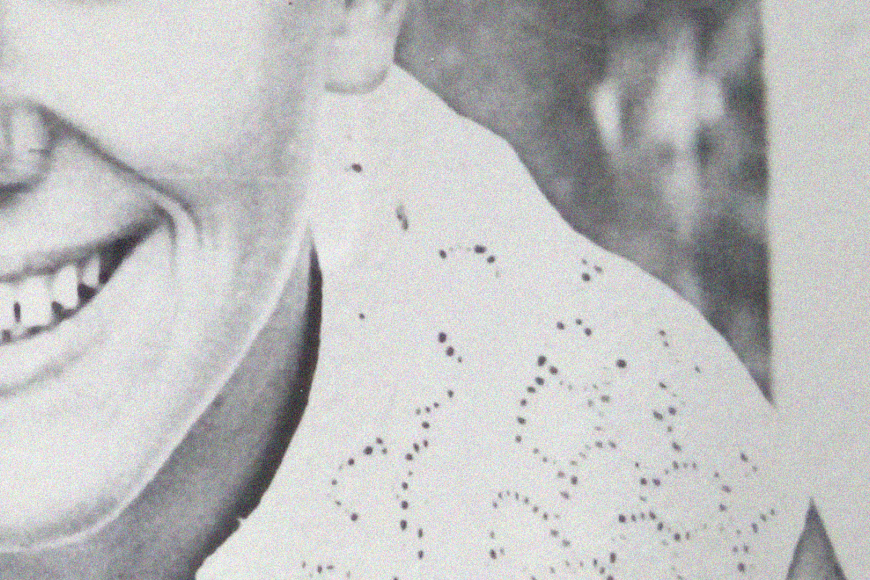
This both raw and tender work of memory ploughs through reflections, feelings, anecdotes, photos, and drawings, an attempt in cinematic images to capture the grief over a beloved grandfather who fell victim to cancer, make it manageable. Sonia Leliukh takes the liberty of speaking from a deliberately subjective perspective, refusing to tone down her statements with seemingly valid rules of language or etiquette. With her desktop documentary, which seems playful only at first glance, she confronts radical grief with equally radical honesty. By putting the old computer games her grandfather used to distract himself from his pain on screen, she does not only put herself in the role of the terminally ill, but also the audience. When my finger twitches to move the Solitaire cards to the right spot or click on another box at Minesweeper, I am already in the midst of things and must ask myself how I deal with grief, love, or rejection. In the present, but also and especially when the people who inspire these emotions have gone. Sonia Leliukh’s work is a cinematic refusal to allow these feelings to become objects in the sediment of the past.
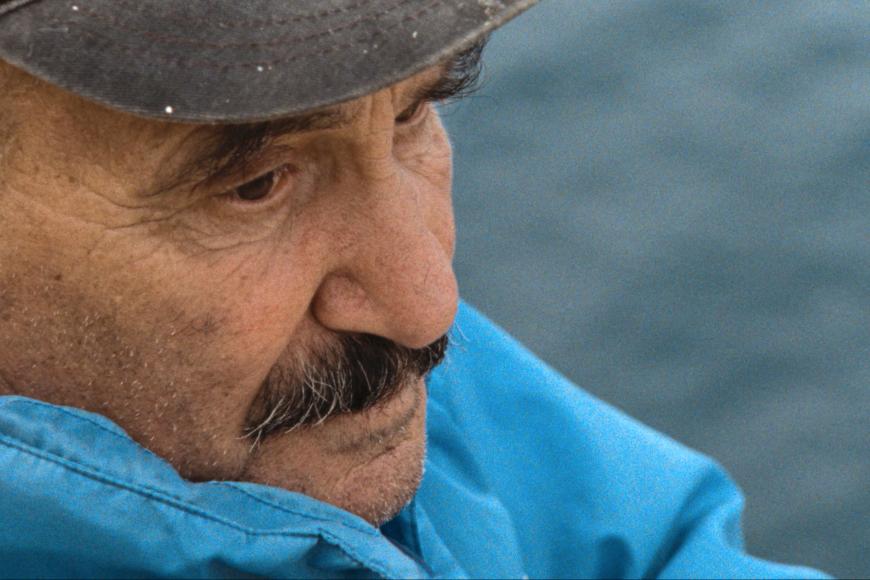
The camera calmly explores the holes and fissures of a cliff face, the traces of the ocean. The austere landscape seems to have fallen out of time. Only a few decades ago, fishermen threw their trap baskets into the water from here. Today, the sea around Malta has long been fished dry. Punta, a moustachioed islander, wants to have one more go.
A weir is woven from the hairs of a horsetail, a forgotten craft is demonstrated. An intercut Super 8 film documents the diversity of marine life in the past; its grainy images radiate something irretrievable. An octopus curls around a foot, a jellyfish floats through the eternal blue. Punta gazes melancholically at the sea, far beneath him the waves are crashing against the rock as they have always done. And yet the sight is deceptive, because he and we know that no fish will ever stray into his weir. The rough singing of a woman’s voice begins.
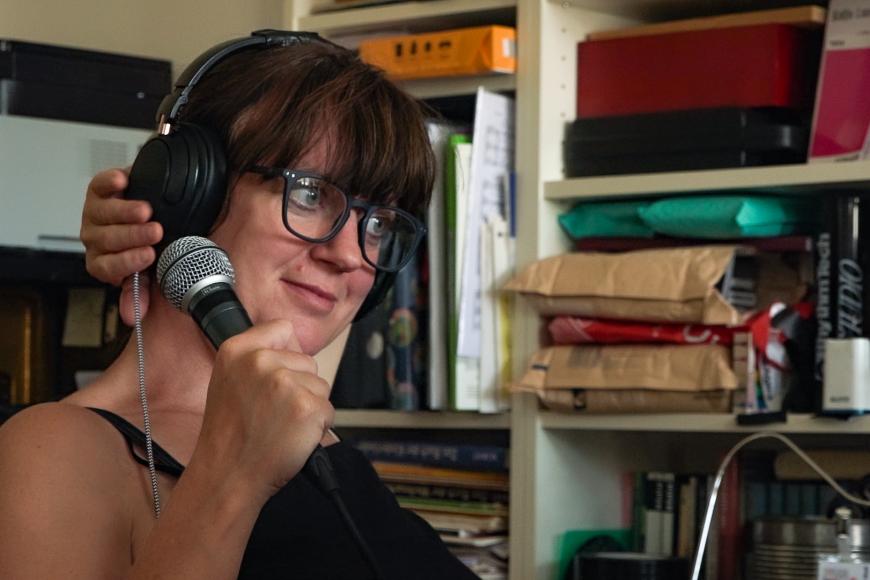
For the first time in six years, Barbara Morgenstern, pioneer of German-style electronic intimate pop, works on a new album. Her laptop sits on a shoebox, in the privacy of her home she finds first lines and harmonies: “I like to be alone,” one song begins. One by one, musicians join her. Intuitive ideas take shape. A window has opened. Arrangements, rehearsals, recordings follow. Step by step, the music enters public space, images are produced, videos, narratives. Questions arise: New beginning or back to the roots? New Biedermeier or tough political comment? The bigger the band, the riskier the booking. The more crisis-ridden the environment, the more comforting the music-making.
Sabine Herpich shows the creation of a pop album as a working process. Her view is as unpretentious as her protagonist, her quiet observation not interested in story and glamour, but in closeness and comprehension. We understand why someone works as an artist, even if it is never explained. Barbara Morgenstern shares what moves her: “Labour of love / for the rest of the earth / I’m more than certain / that this still has worth.”
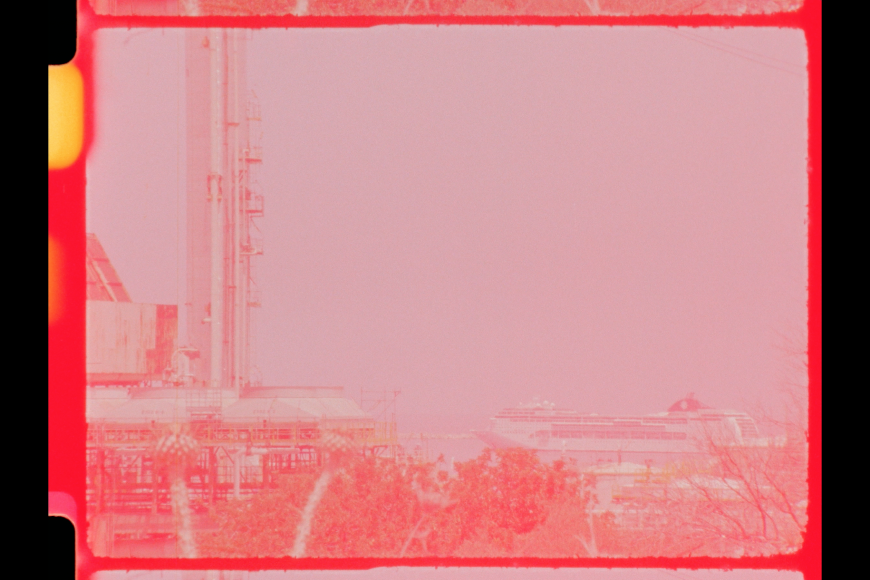
The world stands still. Gaudily painted cruise ships lie in the oil port of Augusta on the south-east coast of Sicily. Their lustre fades a little more every day. On the scorched, tinged 16mm film stock they seem as unfit for the future as the refineries visible behind them. When, if not in the early summer of 2021, would the time have ever been riper for reflection and reassessment?! Old, exploitative economic systems that keep people away from Europe and let only raw materials enter are in lockdown. Their future is unimaginable. But is there a way back? To the gentle sound of the waves, the birds and the insects, the smoke of the industrial plants wafts back into the chimneys. But the images have been damaged.
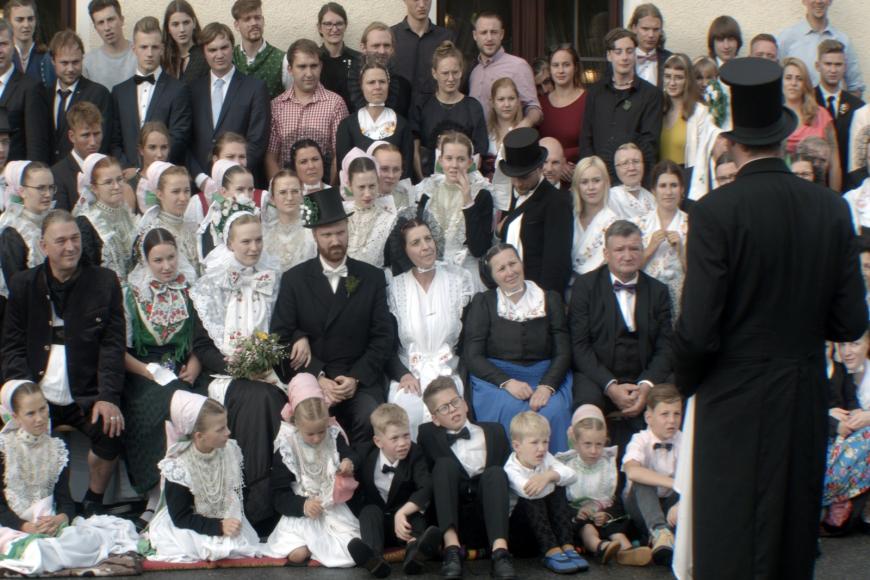
A green lawn like an unused carpet, encircled by a neat forest edge, in the background the steaming cooling towers of a coal power station – impressionistic camera images from Lusatia. They summarise in one pan how a used-up utilitarian landscape is trying to recultivate itself. Can ancient identity and language be re-discovered amid this strange artificiality? The director travelled through this region in search of her origins. She was born here, in Lusatia. This is her home and that of the smallest of all Slavic peoples: the Sorbs.
She thinks about the assimilation of this cultural and linguistic community with the indigenous people, about its history of oppression in the various German systems, about a region caught up in structural change and the identity-shaping power of words – even if one has to learn them anew first. She meets a German Anna who becomes a Sorbian Hanka. She encounters people dedicated to preserving the traditions. The younger folks especially see their Sorbian-ness as a commitment to a community spirit, if not – like the artist, Hella – as an alternative way of life. Accompanied by old and new Sorbian sounds, along the filmmaker’s offscreen reflections, the many-voiced portrait of a nation within the nation emerges who reclaims its culture out of the local museums back into its everyday life.
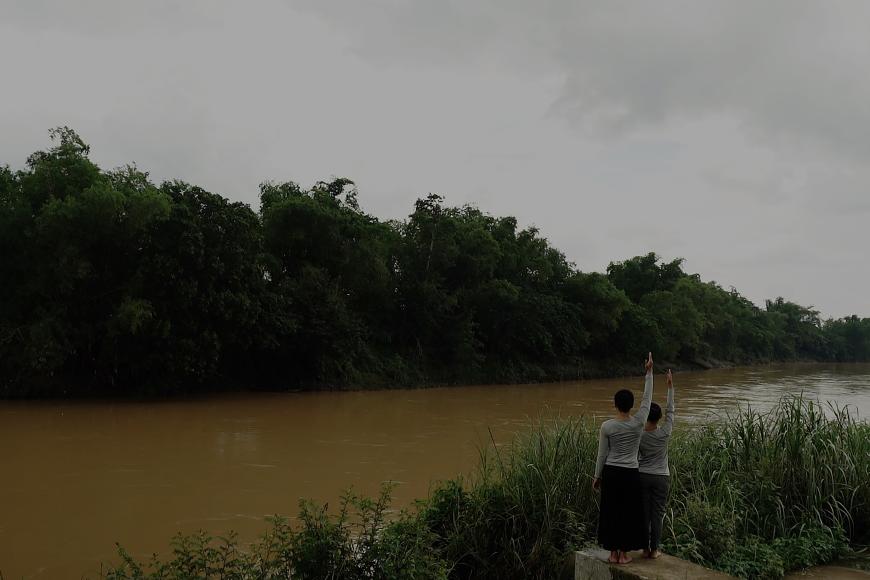
The Indonesian word “bendungan” can have various meanings. It is a term for very different structures that can contain, hold back, or block water, a dam for example, an embankment or shoreline stabilisations on rivers and oceans. For this experimental work, Jee Chan, a representative of an artistic practice between (dance) performance and expanded choreography, has talked to three persons who live near water in Indonesia and the Netherlands. Both countries are linked by the European colonisation of Southeast Asia and the ensuing crimes. Each of the incidents shared in this film reflects a different perspective on this period and its consequences, tells another story without seeking explicitly to “write history”.
Jee Chan addresses the question of how memory and knowledge become manifest not only in our memory but also in our socio-spatial environment, in waterscapes and the human body. Using choreographed gestures in tranquil long takes, oral history, and interventions in space, they make memory tangible as a multi-layered activity tied to its environment.
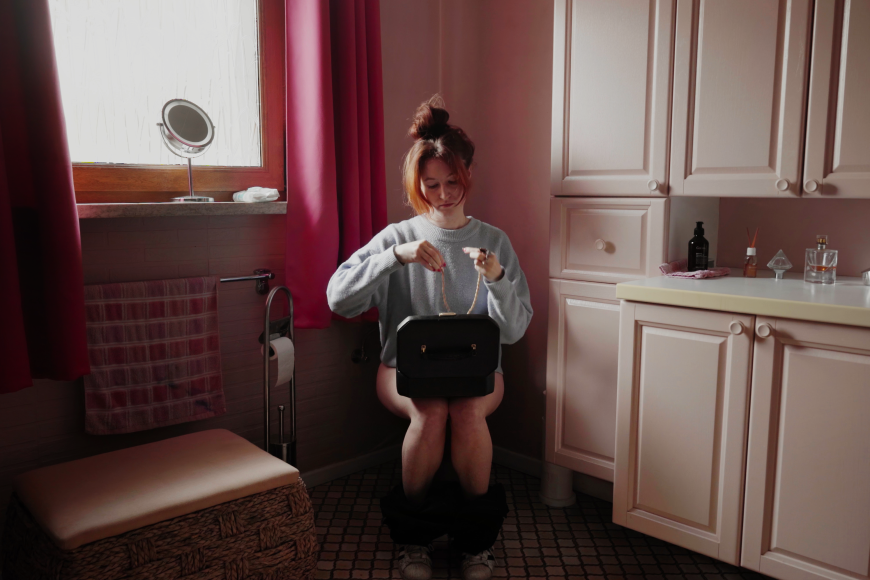
There are framed wedding photos on the wall, open albums of holiday memories on the table. This is a household of gestures rehearsed for decades. The filmmaker meets life as lived in her grandparents’ Luxembourg home. She tries on her grandfather’s coat and her grandmother’s rings. Out of boredom? Or is it an appropriation of history? Time seems to stand still and yet moves inexorably forward. He takes a nap in a sleeping mask that has open eyes printed on it, she sits at the kitchen table and talks about the onset of her dementia. She enjoys a cigarette by the window to the fullest, letting her granddaughter paint her nails pink. Perhaps to look good on camera, while the grandfather swings his hips to the music from the radio. The couple wrest touching moments from the sense of transience, while a pas de deux tells of love and attachment.
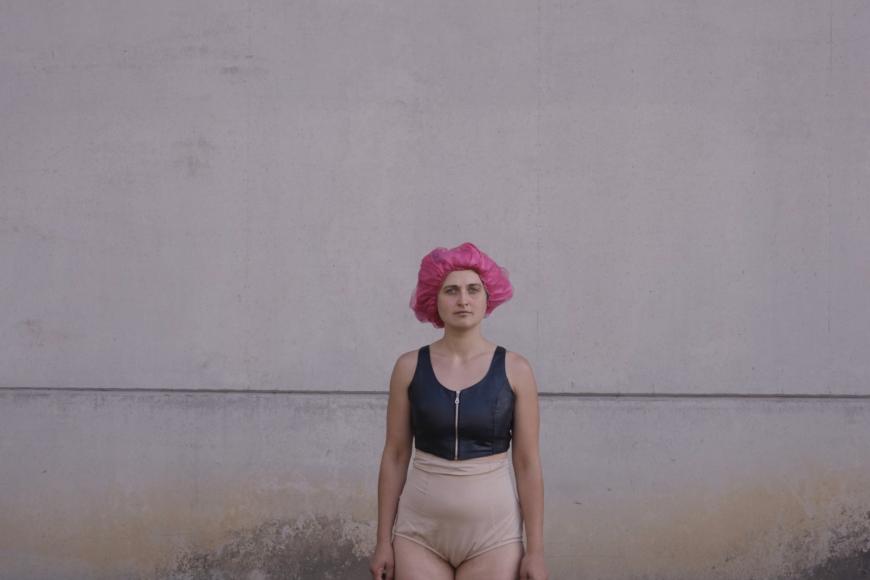
Clown*esses are more than jesters; they hold a mirror up to society. They move between the worlds and like to break rules, albeit with a wink. At the same time, clown*esses are contradiction experts by nature, because they know on the one hand that life is far too short to be sad, and on the other hand use their art not only to entertain us but to make oppression and violence visible and attackable.
The artists portrayed in this film, for example, look closely at patriarchal structures and learned social behaviours. When Gözde in her unerring performances questions and satirises the images of women still prevalent in Turkey, this critique is rooted in her own experience – and that is precisely what makes it so funny. Lokke from Germany, on the other hand, emphasises the transformative aspect of clowning that allows them to try out different identities and characters, to refuse being pinned down and to ridicule stereotypes. Jana Rothe’s cogent short portrait presents these and other clownesque attitudes towards the world. It makes you wonder how in the world we ended up sacrificing fun and subversion to rationality in our daily lives.

A creative person suffering from writer’s block is sitting in an artists’ residence. Outside, construction workers are busy, inside, nothing happens – until the landline rings. A supposed Microsoft employee wants to access her allegedly broken computer. She begins to talk – about heartbreak, emptiness, procrastination. The scammer listens and – without realising it – is ensnared by a scam baiter.
“Cold Call” is the tale of an unexpectedly real, almost comforting conversation between these two strangers – and of how easy it is to become part of the structures one believes to be questioning: digital vigilantism, racism, global inequality. Stefanie Schroeder explores a phenomenon that reveals its multiple layers only at second glance. One of these layers is scamming, an attempted fraud based on deception and manipulation that is often committed not out of free will but by slave-like “employees” of small businesses scattered across the globe. Scam baiting turns out to be similarly ambivalent, a counter movement on the internet pretending to be a protective power that seeks to stop fraudulent activities by personal exposure and humiliation, quite often through racist stereotypes. Schroeder approaches this melange with minimalism and humour, masterfully unfolding the complexity of this subject in the process.
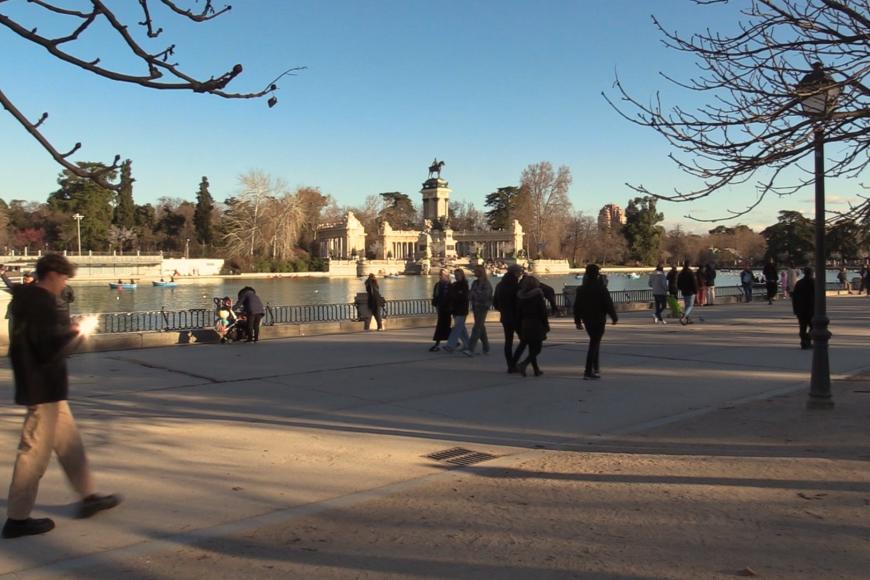
A young man apparently gets lost between his parental home in Lower Saxony, Berlin darkrooms and a flat share in Madrid. The clinical chill of the psychiatry reports is juxtaposed with a heart-wrenching diary text that resists being categorised too quickly. The images, too, speak a different language than the diagnosis: “Disoriented and not responding to his environment,” the initial anamnesis reads. But we see the film sequences trace and re-cast photographic evidence of getting lost, re-connect the narrator persona striving for self-empowerment with his environment. The protocol of a story of illness and treatment expands into an auto-socio-biographical document of self-location by artistic work – on life as lived.
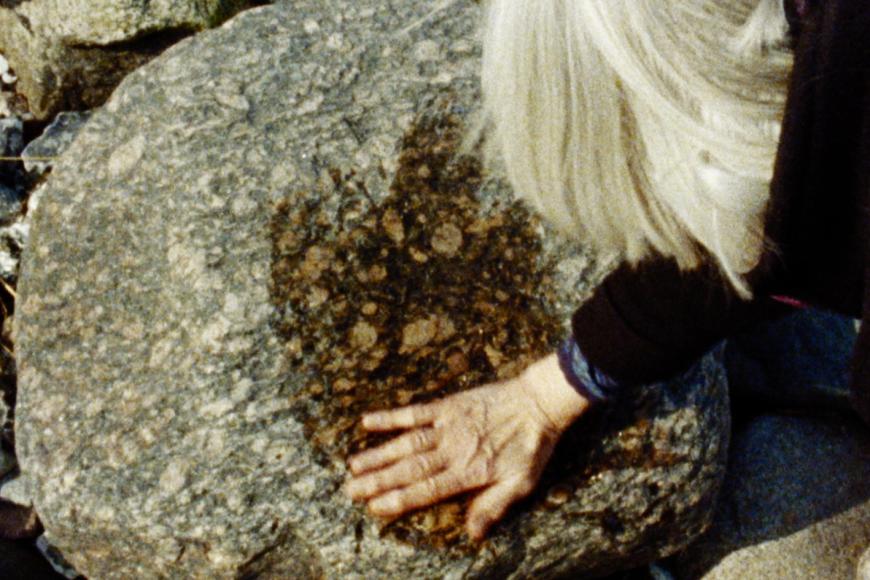
It is a stroke of luck when a film manages to simply observe the flow of life and almost casually show us the miracles found in life’s corners. Ann Carolin Renninger approaches people and things with great serenity and a palpable joy of searching for and finding images.
Rovin lives on a remote farm on the Baltic Sea and explores his surroundings with insatiable curiosity. He is interested in the universe, planets, unknown creatures – and in tardigrades, those tiny multicellular organisms that look like dust bags on legs and are real survival artists. Quite unlike humans, as Rovin points out, because the latter are sure to die out one day. He sees this as a logical fact, not a threat. And when you open yourself up to the grainy, earthy images and the calm narrative, you eventually stop wondering, too, why that should be a problem. After all, as long as the wind blows through the trees and scatters the tardigrades, everything is in good order. In addition to the captivatingly alert boy, Renninger meets Marie, who knows everything about rocks, and Christopher, who decorates a place with these rocks. They are all on a quest and every day find a piece of what one cannot hold onto: the present.
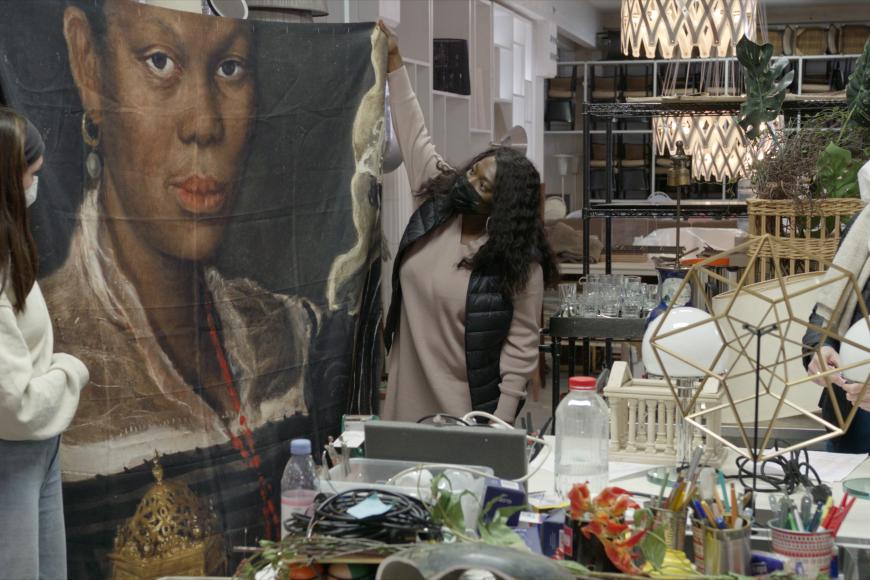
A tracking shot along the objects on the shelves of a film prop warehouse will trigger stories in our minds. The orange-coloured telephone takes us to the futuristic 1970s, plastic salmon canapés on artificial lemon slices invite us to a party, cut and thrust weapons herald mortal danger.
Experts from various prop companies explain their craft of storing and archiving. But under which keyword are folkloristic masks, African or pseudo-African objects to be catalogued? Enter Thelma Buabeng: The German actor and BIPoC activist slips into the documentary-like role of a doctoral student in Postcolonial Studies who does research for her thesis in the Prop Department Studio Babelsberg. From her perspective the objects take on a different context, enter into a dialogue and raise questions of their own. Meanwhile, a staff member is looking for a suitable frame for the Baroque painting “Portrait of an African Woman Holding a Clock” by Annibale Carracci. But can this frame even exist?
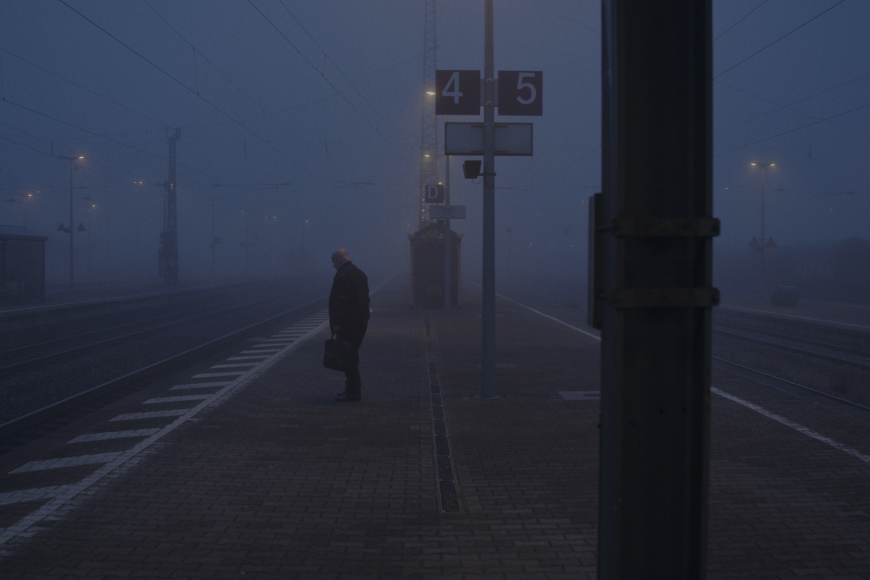
In Korntal, a small town of 9,000 souls in Baden-Württemberg, hundreds of children were abused in the homes of the Evangelical Brethren since the 1950s. Forced labour, physical punishment and sexualised violence were the order of the day. To date, more than 150 former children have broken their silence, more than 80 perpetrators have been identified. Because the latter covered for each other and the neighbours looked away, the children were defenceless against the abuse for decades. When the scandal was exposed in 2013, the community and the village were hostile at first: That which must not be cannot be. It was only when the pressure from the outside grew that the community initiated a process of dealing with the scandal. But it is controversial: victims are re-traumatised, their statements doubted. To this day the children from Korntal are fighting for investigation and compensation.
The film focuses on the victims and avoids all dramatisation. What happened was dramatic enough, after all. When testimonies are only played as audio-recordings to protect the speakers, a simple animation fills the visual gaps. When those responsible today speak, the camera stays restrained and does not judge. That is not necessary anyway, because the inconceivable relativisation of the crimes speaks loudly enough – in Korntal as elsewhere.