Family discussions flare up against the backdrop of the “Woman, Life, Freedom” protest movement in Iran: Elahe does not want to wear a hijab. An intimate and honest discussion.
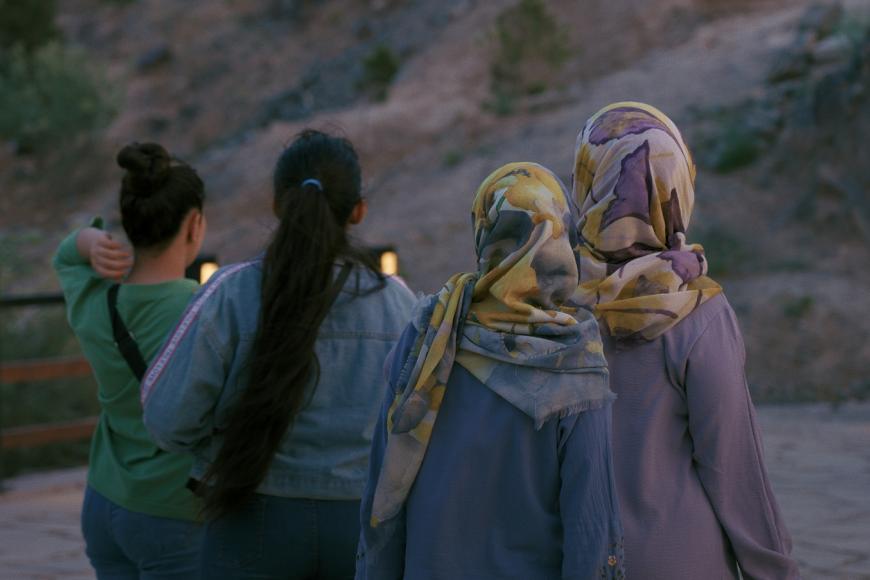
Filmmaker Elahe returns to her hometown of Mashhad in Iran to help her parents move house. Boxes must be packed, old stuff must be rummaged through together. Meanwhile everyone involved discusses what Elahe should wear at the upcoming big party, because Mr. Hossein, the respected and devout patriarch of the extended family, has invited his relatives to his garden. Elahe will not wear a headscarf, nor a hat, not even a borrowed baseball cap for this occasion. On previous visits, she was willing to make a lot of compromises in order not to shame anybody at home. But those days are over. The “Woman, Life, Freedom” movement encourages her to force a change. In Hossein’s garden the director has intimate and moving conversations with sisters and cousins. They have all had similar experiences with hijab and chador but found different ways of dealing with it. Elahe boldly confronts her family’s fears and wishes and films the honest discussions.
Saddled with one of the most generic names in the English language, British filmmaker John Smith takes a wry, deceptively straightforward look at how this has affected his life and career.
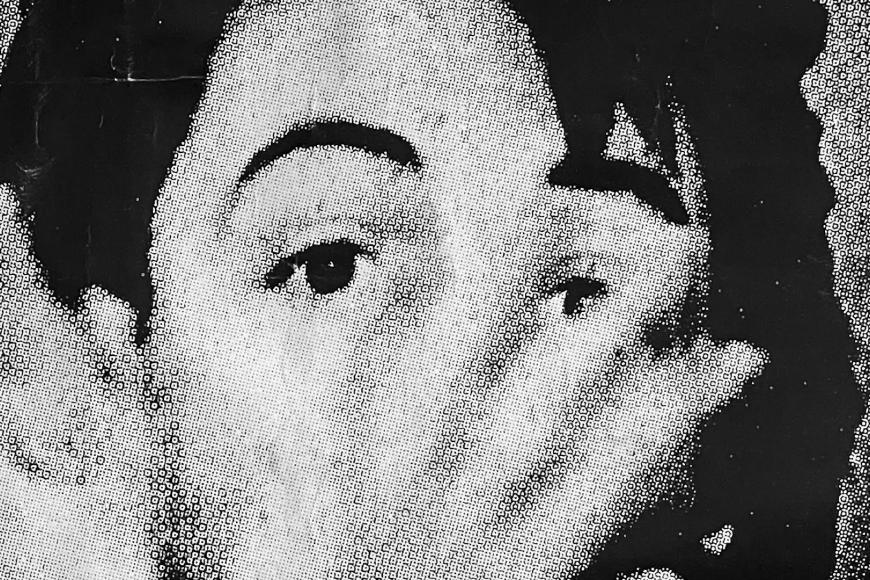
“What’s in a name? That which we call a rose by any other name would smell as sweet.” The Bard’s canonical quote looms large over British experimental filmmaker John Smith’s latest short; one of the film’s opening gags even has Smith assert that one of his schoolmates, a certain William Shakespeare Smith, was allegedly bullied as much as he was. Saddled with one of the most generic monikers in the English language, the director talks about how this has affected his life and career over the last seven decades, pairing his deadpan voiceover with photographs, documents, snippets from his films and other pertinent images to often hilarious effect. His wry cataloguing of name-related humiliations also takes great pleasure in the tangential, as class, the state of the world today and mortality come to the fore again and again, with the intertitles providing an extra layer of self-deprecation that pushes the whole endeavour towards autofiction. Political, bracingly witty and quietly moving, “Being John Smith” ultimately suggests that humour combined with rigour and intelligence can transcend even the most fixed of categories; what could be sweeter than that?
When the West was still wild there was room there for gay love stories that are missing in today’s history books. A queer rewriting of U.S. pioneer tales.
Before photography and film were invented and constructed the “Wild West”, the famous explorer Meriwether Lewis, whose travels made the westwards expansion of the still young USA possible, died under mysterious circumstances. The present-day narrator of this film, a distant descendant, portrays him as the tragic hero of a speculative gay love story. The potential lover, Meriwether’s “Louisiana Creole” servant John Pernia, is historically documented. But the archive material, which favoured the white folklore of the so-called age of pioneers, lays no trail to this romance.
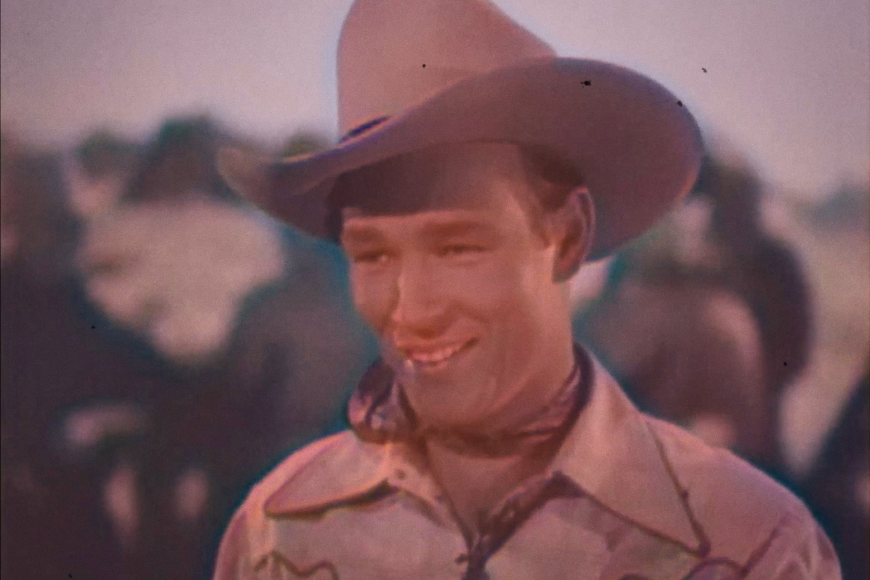
Ben Young wilds the early Western imagery and queers the nationalist historiography from the perspective of people who are missing in the tales of glory and whose originally free space was occupied by the settler movement and its subsequent legend formation. He uses associative montage and gossip to rehabilitate John and Meriwether, the undocumented romantic couple, as the real pioneers. And they have a score to settle with the U.S.