Film Archive

Retrospective 2021

Respite

Harun Farocki
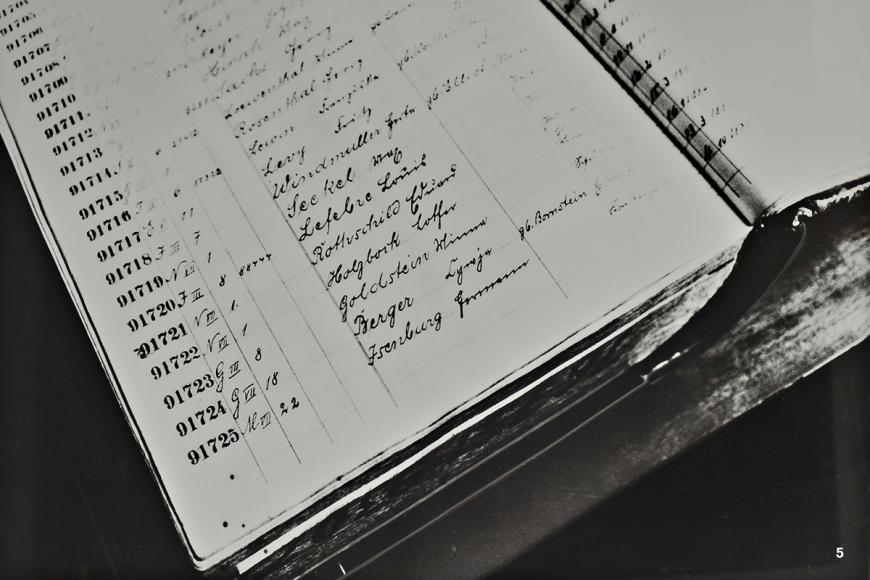
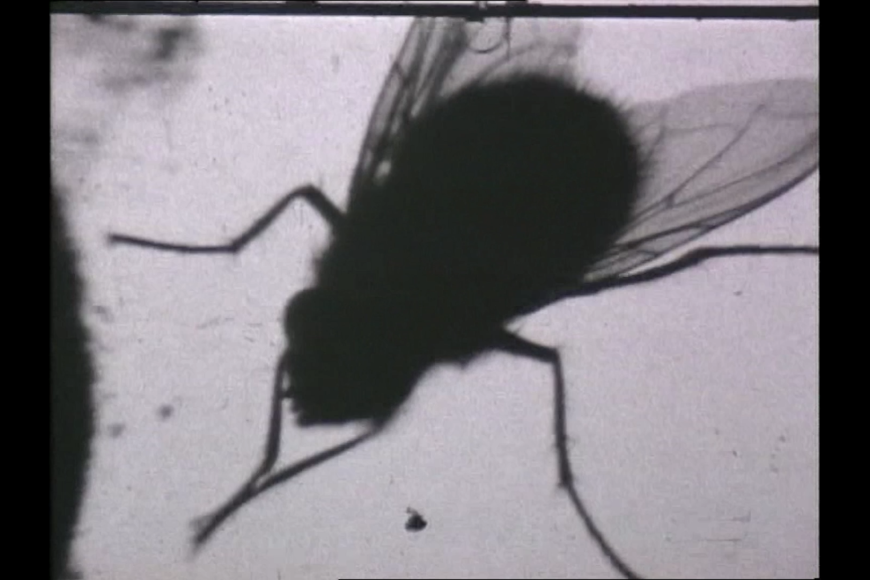
Material from the Nazi Jewish transit camp Westerbork. Every road from here lead to death, including for the cameraman. Farocki analyzes the silent sequences: surgery on the narrative.
Media Name: 5c49c505-581b-4547-bea9-bb15af694625.jpg

Respite

Aufschub
Harun Farocki
Retrospective 2021
Documentary Film
Germany,
South Korea
2007
40 minutes
German captions
Subtitles: 
None
Anyone interned in the Nazi Jewish transit and collection camp Westerbork in the occupied Netherlands faced death: The trains left to Auschwitz from here, to Sobibór. In 1944, the camp commander ordered the prisoner and cameraman Rudolf Breslauer, who was murdered shortly afterwards, to film the camp, presumably as visual evidence of his own “work performance”. Harun Farocki, West German doyen of essayistic image criticism, used the surviving silent material to compose an equally silent sequence analysis commented only in title cards. It is surgery on the hidden narrative, not open heart surgery.
Sylvia Görke

Credits DOK Leipzig Logo

Director
Harun Farocki
Script
Harun Farocki
Cinematographer
Rudolf Breslauer
Editor
Lars Pienkoß, Harun Farocki
Producer
Harun Farocki
Retrospective 2022

Remembering Means Living

Róża Berger-Fiedler
A walk across the Jewish Cemetery in Berlin-Weißensee and through the Jewish history of the city. The private and the historical, past and present flow into each other.
Filmstill Remembering Means Living

Remembering Means Living

Erinnern heißt Leben
Róża Berger-Fiedler
Retrospective 2022
Documentary Film
GDR
1987
59 minutes
German
Subtitles: 
None
Róża Berger-Fiedler’s walk through the Jewish Cemetery in Berlin-Weißensee in search of her grandmother’s grave turns into a walk through the chequered Jewish history of the whole city. Interspersed are impressions of Chanukah celebrations at the “Restaurant of Nationalities” Café Moskau in Karl-Marx-Allee in East Berlin, light-drenched and devout. The film artfully interweaves the past and present of active Jewish life with memories of expulsion and annihilation, brings private and historical perspectives together and thus creates a sensitive approach where in the GDR formal distance was long dominant.
Felix Mende

Credits DOK Leipzig Logo

Director
Róża Berger-Fiedler
Script
Róża Berger-Fiedler
Cinematographer
Karl-Heinz Müller
Editor
Róża Berger-Fiedler
Producer
DEFA-Studio für Dokumentarfilme
Sound
Eberhard Schwarz
Retrospective 2024

Refrain

Krzysztof Kieślowski
Even in death, you can’t get rid of bureaucracy! In the day-to-day business of a Warsaw funeral parlour, mourning is mired in paperwork, routine and triviality.
Filmstill Refrain
Filmstill Refrain

Refrain

Refren
Krzysztof Kieślowski
Retrospective 2024
Documentary Film
Poland
1972
11 minutes
Polish
Subtitles: 
English
It is said of Krzysztof Kieślowski that he did not see himself as a political filmmaker. At least this early documentary casts doubt on this, for it depicts the cold stranglehold of bureaucracy. The setting is a municipal funeral home in Warsaw. Phone calls are made, documents checked and stamped. Business runs like clockwork, from the cradle to the grave.
Leipzig naturally maintained ties with older Polish documentarists like Jerzy Bossak, even after he relocated to Denmark. The fact that Kieślowski and other notable Polish film artists of his generation did not appear in the programmes before 1990 fits into the image of a life consumed by pettiness painted here. The real issue was probably animosities with the festival in Cracow.
Sylvia Görke

Credits DOK Leipzig Logo

Director
Krzysztof Kieślowski
Cinematographer
Witold Stok
Editor
Maryla Czolnik
Producer
Wytwórnia Filmów Dokumentalnych
Sound
Michał Żarnecki, Małgorzata Jaworska
Retrospective 2024

Report

Volker “Via” Lewandowsky
A collage about the lascivious inertia of power, full of allusions to the rotting Roman Empire. In 1987, the decay of the world-organising systems could already be smelled from the GDR underground.
Filmstill Report
Filmstill Report

Report

Report
Volker “Via” Lewandowsky
Retrospective 2024
Experimental Film
GDR
1987
7 minutes
without dialogue
Subtitles: 
None
The GDR formed an image of its citizens, hardy in everyday life and firm in principles, that it wished to see reflected in “their” art. Dresden-based artist Volker, called Via Lewandowsky, avoided the vanity of the GDR art scene and reflected something else back to his superior state: the indolence of the flesh, the gluttony of the systems that allegedly ordered the world. This Super 8 film from the late German Democratic subculture rubs against Heiner Müller’s stage text “Anatomy Titus Fall of Rome A Shakespeare Commentary”. The manuscript was (half) published in 1986 by the East Berlin Henschelverlag with the following proviso: “If the play is not accepted for production, this book must be returned immediately […].” Lewandowsky emigrated to West Berlin in 1989 before the fall of the Wall.
Sylvia Görke

Credits DOK Leipzig Logo

Director
Volker “Via” Lewandowsky
Retrospective 2024

Rostov – Luanda

Abderrahmane Sissako
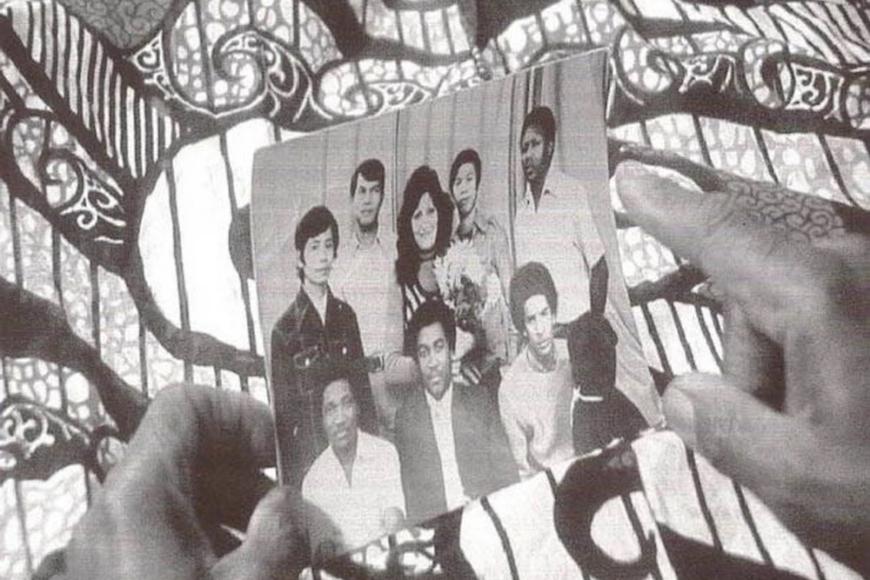
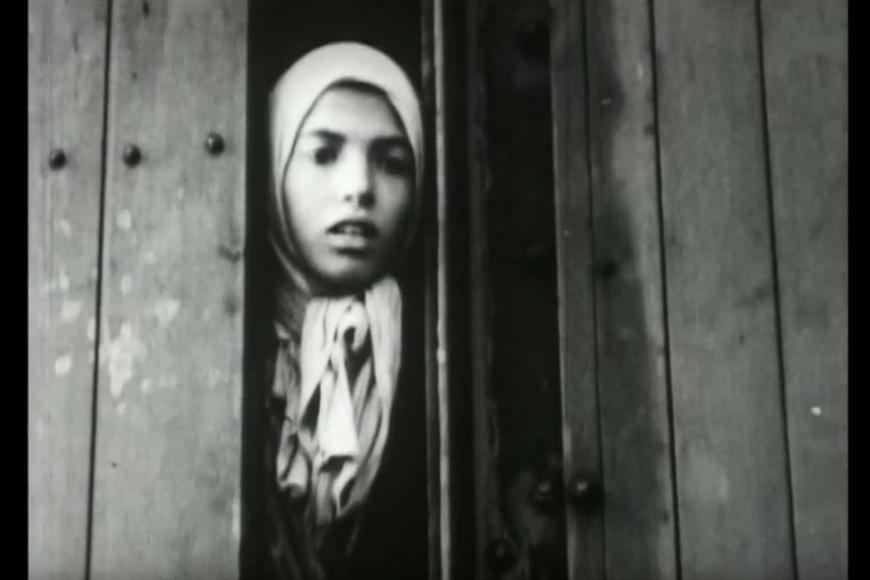
In 1980, Mauritanian-Malian film student Sissako meets an Angolan on the train to Rostov-on-Don. Years later, the USSR has passed, he searches for him in his homeland – and finds traces of colonial and world history.
Filmstill Rostov – Luanda

Rostov – Luanda

Rostov – Luanda
Abderrahmane Sissako
Retrospective 2024
Documentary Film
Angola,
France,
Mauritania,
Germany
1997
58 minutes
French,
Portuguese (Portugal)
Subtitles: 
German
On a train to Rostov-on-Don in 1980, Malian-Mauritanian bursary holder Abderrahmane Sissako met the Angolan Afonso Baribanga, who had also been sent to the USSR. Both are supposed to learn Russian. Sissako studied film directing at the WGIK in Moscow, while Baribanga pursued a different career and eventually returned to Angola, where a post-colonial civil war was raging. Years later, Sissako sets off in search of his vanished friend, travelling to his own and Baribanga’s African homelands, where the old and new world powers have left devastating traces. In 1997, in a side section, DOK Leipzig presented the feature-length version of Sissako’s travelogue, which is steeped in contemporary and colonial history. The 2024 Retrospective presents an abridged version.
Sylvia Görke

Credits DOK Leipzig Logo

Director
Abderrahmane Sissako
Script
Abderrahmane Sissako
Cinematographer
Jacques Besse
Editor
Claudio Martinez
Producer
Movimento Production, ZDF Das kleine Fernsehspiel
Sound
Jean-Jacques Quintet, Paolo de Jesus