Flickering images produce irritating illusions, assault the eye, and attack the mind. A film that is generated in the brain. Best to just sit back and enjoy!
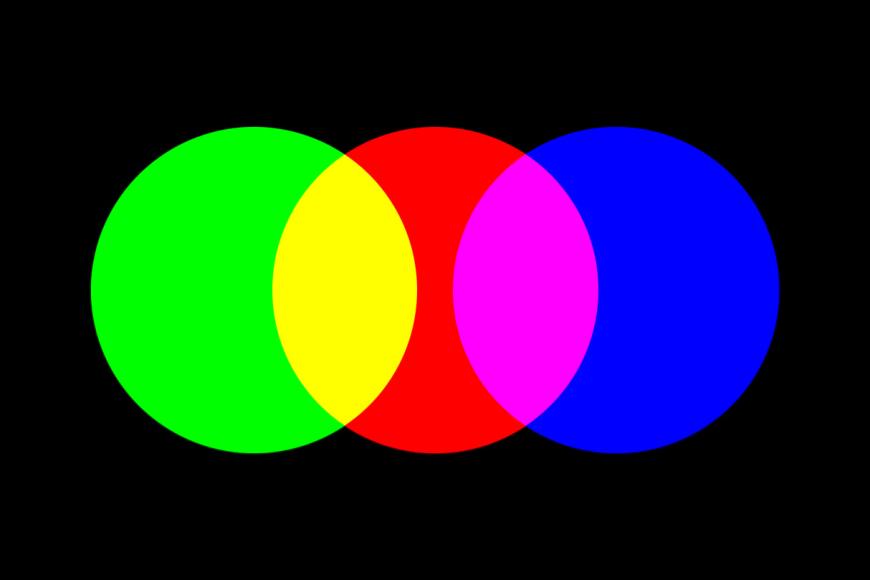
Be warned: This film consists of flashing images. It happens not only on the screen, but is generated in the brain. Flickering circles in complementary colours move, overlap, creating new shapes and colours. Interacting with the general structures of our eyes and nervous system, they trigger individually different irritations.
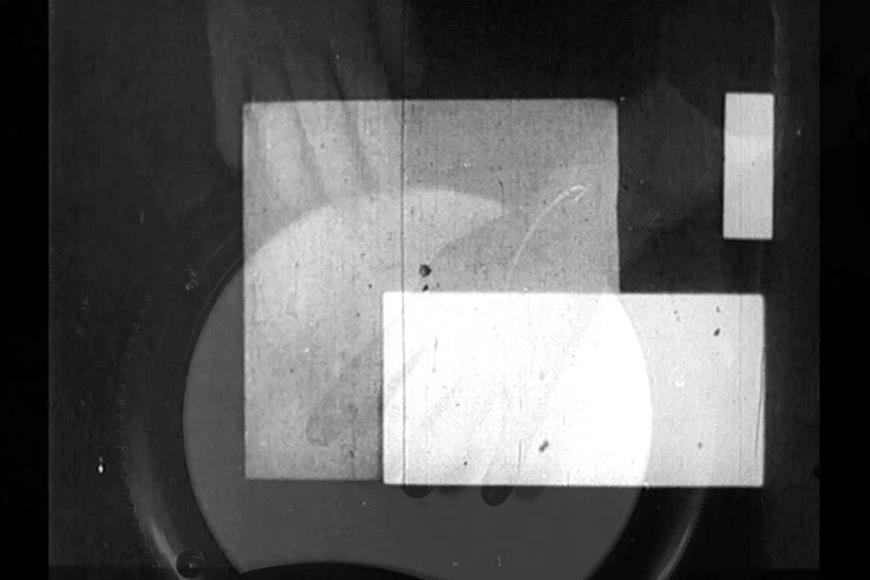
The figure 21 in the title of Hans Richter’s film is not necessarily indicative of the date of origin of this milestone in abstract moving images, which has been lost in the mists of history. The fact that “Rhythmus 21” was screened at the matinee “The Absolute Film” in Berlin in 1925, however, is documented. Rectangles move through space on fixed paths, growing and shrinking to create an illusion of depth.
This originally soundless film generates sound in our mind: Geometrical forms break free from their strict paths of movement and arrange themselves into a complex rhythm.
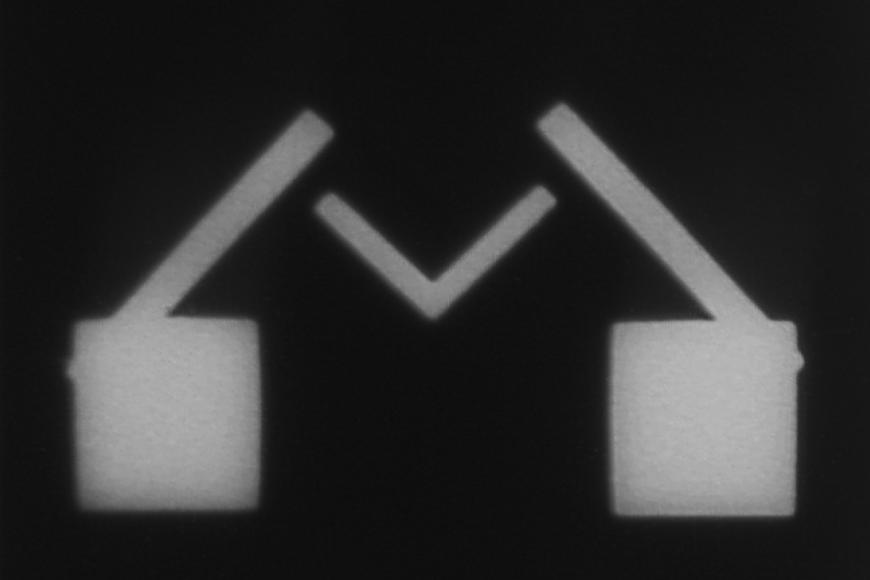
Delicate lines complement the rectangles that dominate Hans Richter’s film experiment “Rhythmus 21”. It almost seems as if a nod to Viking Eggeling had sneaked into the visual worlds of this important masterpiece. The shapes break free from their rigid paths of movement, boldly slanting away from their right angles. The rhythm of the visual elements is impetuous and self-determined.